
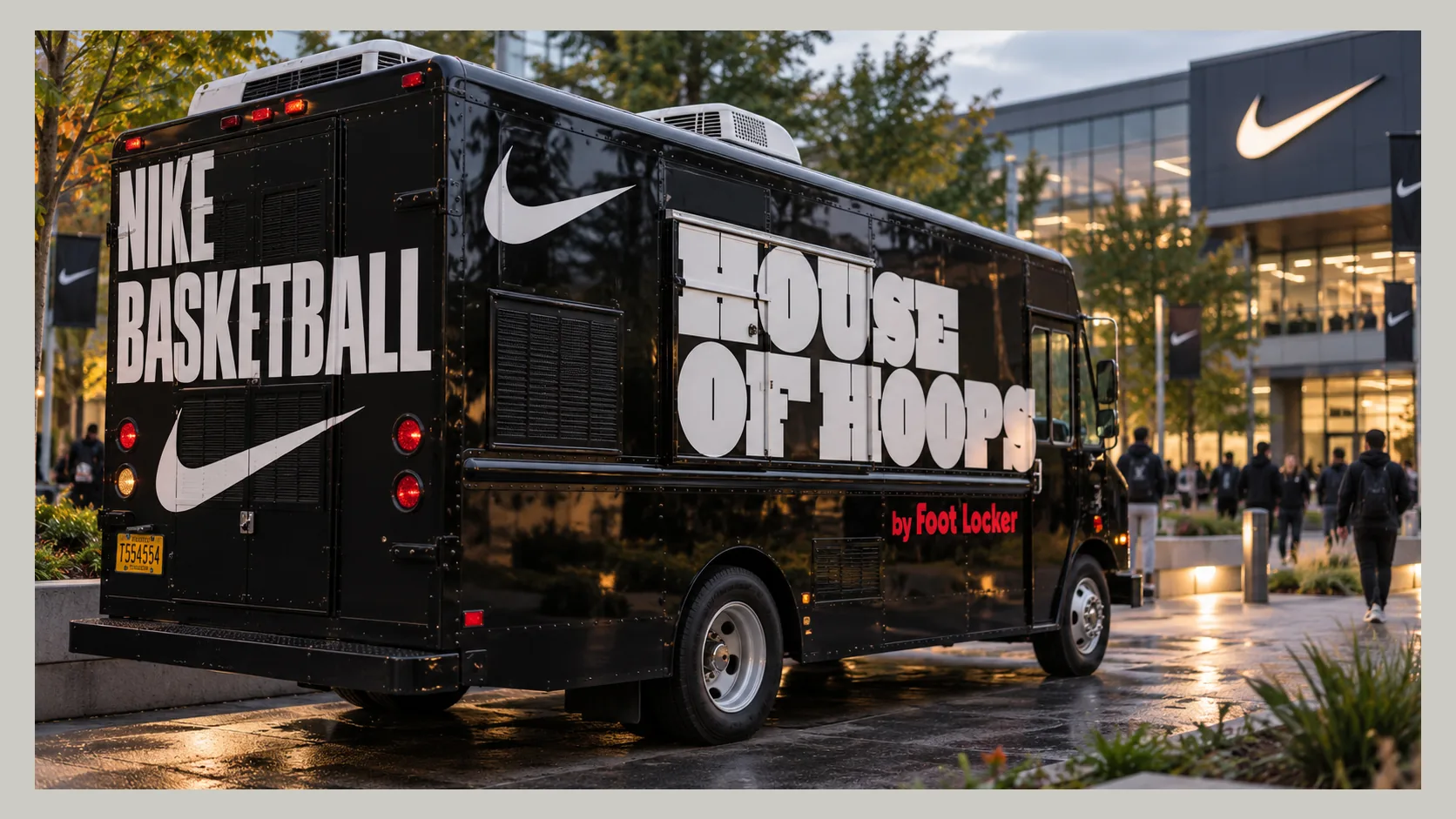
Vehicle graphics do not target people with the precision of an online advertising platform. They travel with the vehicle. Businesses can make that exposure more relevant by choosing clear messages and understanding where, when, and how the vehicle is actually used.
Start with your real service area
List the neighborhoods, towns, job sites, and commercial areas where the business already works or wants to grow. Consider regular routes, parking locations, and whether the vehicle spends most of its time driving, parked at jobs, or moving between both. This helps set realistic expectations about who may encounter the vehicle.
A wrap cannot guarantee that a particular demographic will see an ad. A truck parked at a job site may be visible to nearby residents and businesses; a van making service calls may appear across a wider area over time. Think of route planning as a way to place the company in relevant local settings, not as precise audience selection.
Match the message to the viewing situation
- For moving traffic: Use a short service description, strong contrast, and a memorable business name or web address.
- For parked vehicles: Add useful detail if there is room, such as a short list of services or a QR code placed where it can be scanned safely.
- For a fleet: Keep the brand consistent and make the contact information easy to find, while adapting the layout to each vehicle.
One vehicle does not need to explain every service the business offers. A focused message often gives people a clearer reason to remember the company.
Use routes and results to refine the plan
Before approving artwork, identify the vehicle’s normal use and the areas it serves. After launch, keep a basic record of inquiries and ask customers how they found the business. A dedicated page or short campaign URL can help measure responses, but it will not capture everyone who noticed the vehicle and contacted you later through another channel.
Vehicle graphics can reinforce local familiarity over repeated trips. The most useful plan begins with the business’s actual routes, service area, and customer questions—not assumptions about a guaranteed number of impressions.